How to Experience the Panama Canal: Best Views, Tours, and Timing
If there is one experience you should not miss in Panama, it is seeing ships pass through the Panama Canal. This guide breaks down the main ways to experience the canal—from classic lock viewpoints to boat transits—so you can choose the option that fits your time, budget, and style.
The main ways to experience the Panama Canal
First‑time visitors usually choose from three main types of experiences:
- Visit a locks visitor center with observation decks (like Miraflores or Agua Clara).
- Take a partial or full boat transit through the canal.
- Combine city and canal viewpoints on a guided day tour.
Each has a different feel: visitor centers give you the big engineering “wow” from above, while boat transits let you feel the canal from the water itself.
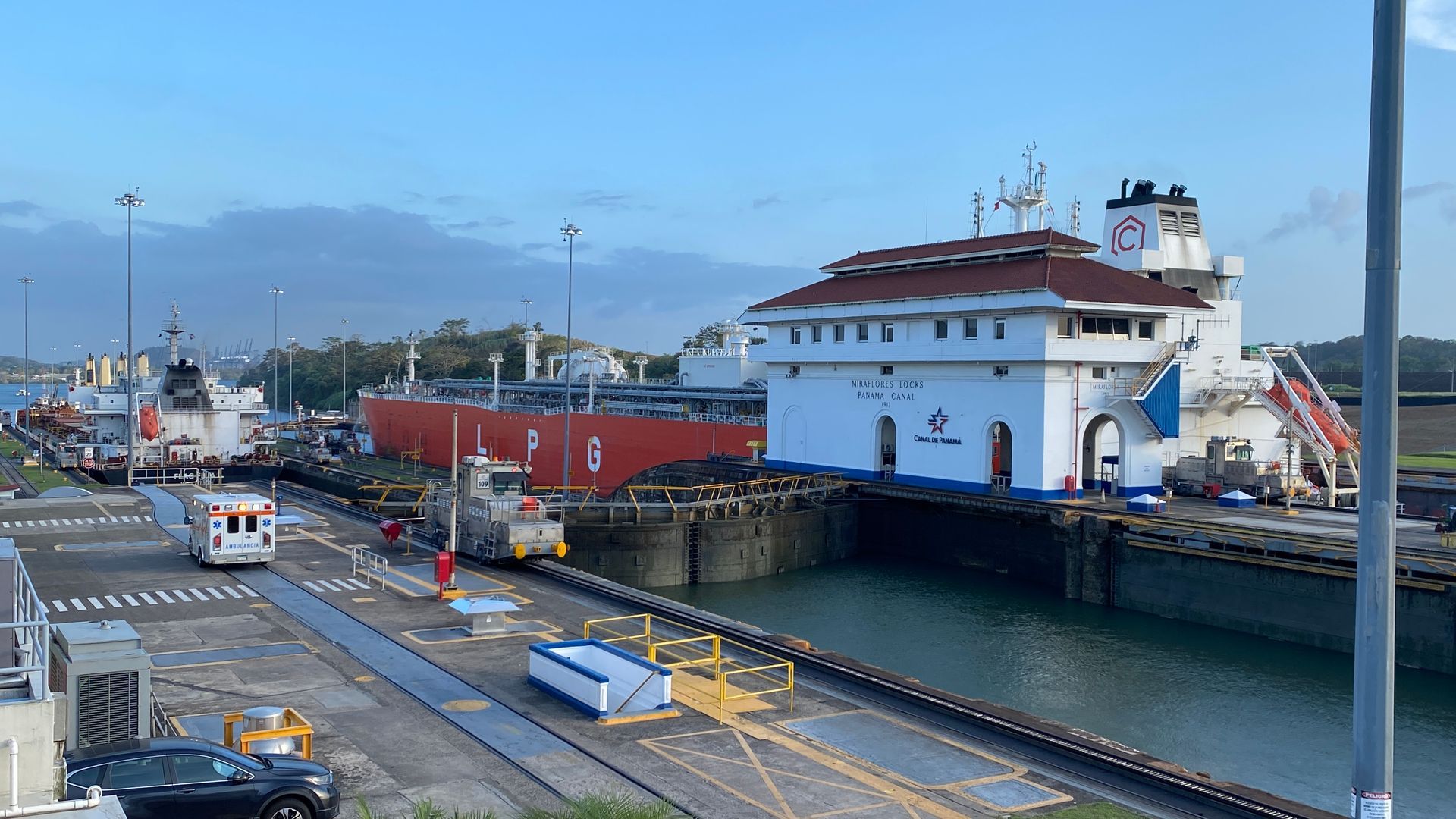
Miraflores Visitor Center: the classic Panama City canal view
Miraflores Visitor Center is the most famous and accessible place to watch ships move through the locks near Panama City. The complex includes multiple observation decks, a museum, and a theater that explains the history and operation of the canal.
From the bleacher‑style terraces and viewing platforms, you can see ships entering the lock chambers, being raised or lowered, and moving on toward the Pacific. There is space to walk around, take photos, and watch the lock gates open and close from a comfortable vantage point.
Key points:
- Location: near Panama City on the Pacific side, easily reached as part of a half‑day tour.
- Experience: several levels of outdoor terraces, museum exhibits, and usually a short film about the canal.
- Comfort: seating on bleachers and railings that do not block your view, plus on‑site souvenirs and basic food options.
When is the best time to see ships at Miraflores?
Ship schedules vary, but many visitors aim to go when the chances of seeing vessels in the locks are highest. Operations often mean a concentration of traffic in the morning and afternoon, although exact timing can change day to day.
A good strategy is to:
- Visit in the morning or early afternoon when tours commonly plan their canal stops.
- Allow at least 1.5–2 hours at Miraflores to have time for the museum and to wait for ships if none are currently passing.
- If you are traveling with a guide or on a private tour, they will often check the day’s expected ship movements and adjust your schedule for better viewing.
Other viewpoints: Agua Clara and the expansion locks
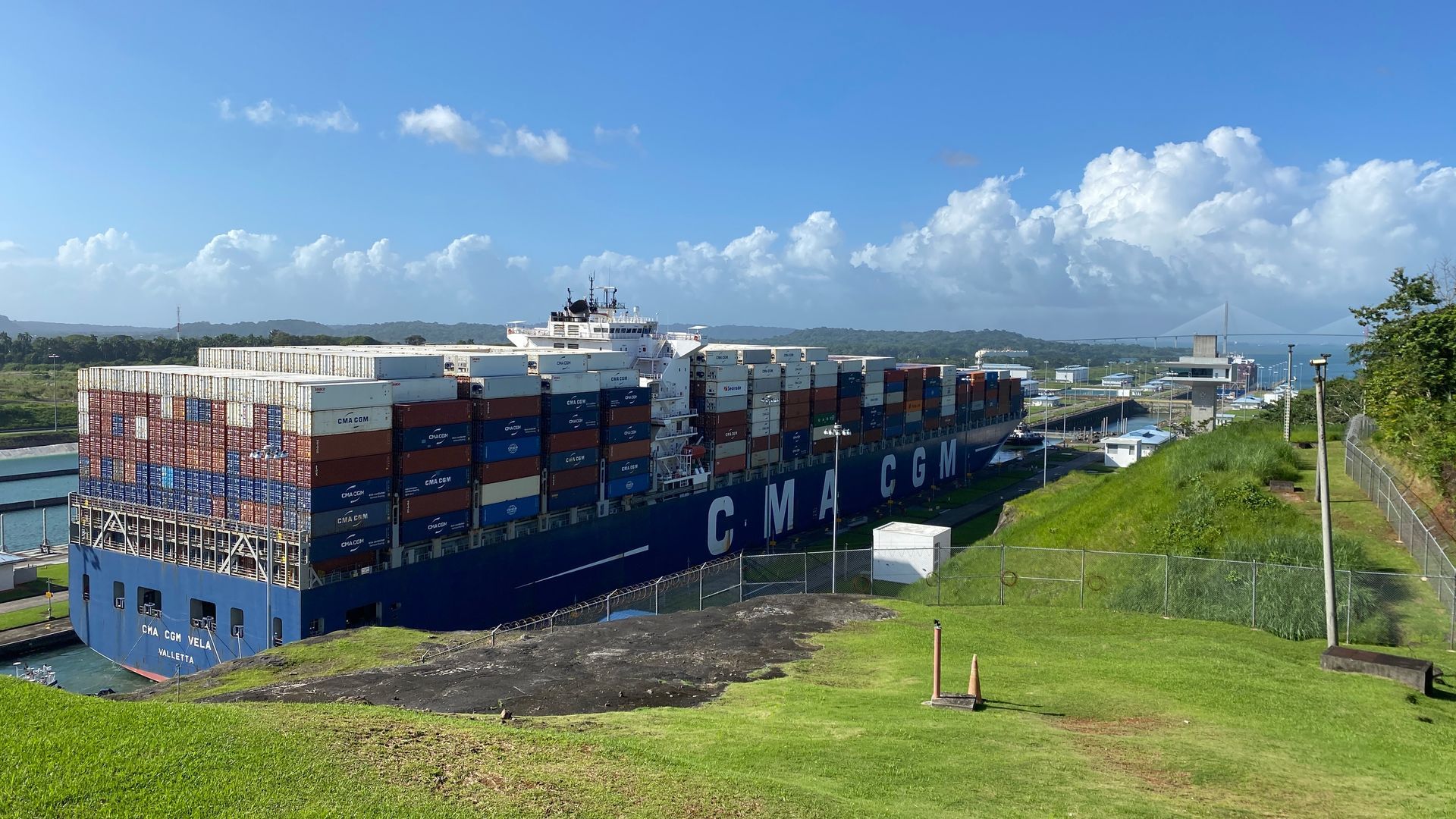
On the Caribbean side near Colón, the Agua Clara Visitor Center offers views of the newer expansion locks that handle much larger “Neopanamax” ships. The experience is similar in concept—observation decks and exhibits—but the setting and scale feel different from Miraflores, and it is often part of itineraries that include the Atlantic coast or cruise port calls.
Visitors who have time to see all Miraflores, Agua Clara and Gatun locks get a more complete understanding of the canal’s original and expanded systems.
Partial vs full transit: seeing the canal from the water
If you want to feel the canal from the inside, consider a boat tour that actually sails through part of the waterway. There are typically two main types:
- Partial transit: you navigate through one or more sets of locks and a section of the canal, often including the Gaillard Cut and a lock experience, then transfer back by road.
- Full transit: you cross the canal from ocean to ocean (Pacific to Caribbean or in reverse), passing multiple locks and stretches of the canal in a full‑day journey.
Partial transits are popular for visitors with limited time or those staying in Panama City who still want the sensation of rising or lowering in a lock. Full transits are more immersive and longer, ideal for canal enthusiasts or travelers who want to dedicate an entire day to this engineering marvel.
Choosing the right Panama Canal experience for you
When deciding how to experience the canal, consider:
- Time available: Half‑day: Miraflores Visitor Center plus a city highlights tour is ideal. Full day: partial transit combined with city or rainforest stops, or a focused full transit day.
- Mobility and comfort: Visitor centers have elevators, terraces, and seating, making them accessible for most travelers. Boat transits can involve more standing, sun, and motion.
- Interest level: If you want iconic photos and a quick understanding of the canal, Miraflores is perfect. If you are fascinated by engineering and navigation, a transit gives a more detailed, lived experience.
A well‑planned private tour can also combine the canal with nearby attractions such as Panama City’s historic Casco Viejo or rainforest areas, giving you a fuller picture of the country in a single day.
Practical tips for visiting the canal
- Check hours and ticket details: visitor centers publish opening times and ticket information.
- Protect yourself from sun and heat: bring sunscreen, a hat, and water, especially in the dry season.
- Bring a zoom‑capable camera or binoculars: a bit of zoom helps you see details on deck and the lock mechanisms.
- Wear comfortable shoes: you may climb stairs or move between different levels and terraces.
Making the canal part of a bigger Panama story
However you choose to see the Panama Canal, consider it just one chapter of your Panama experience. Combine your canal visit with a walking tour of Casco Viejo’s colonial streets, a rainforest or wildlife excursion not far from the canal zone, or a city‑and‑canal overview on your first day to “understand” Panama quickly.
With thoughtful planning and the right type of tour, the canal becomes more than a check‑box attraction—it becomes the centerpiece that connects Panama’s history, geography, and modern role as a global crossroads. Reach out to us or book this tour in our webpage.