Is the Panama Canal Really Dry? A Local VIP Guide Sets the Record Straight
Is the Panama Canal Really Dry? A Local VIP Guide Sets the Record Straight
As a Panama Canal VIP tour guide, here is what I see at Miraflores, Agua Clara, and along the Canal every week
If you have been reading the news lately, you have probably seen dramatic headlines asking whether the Panama Canal is “dry” or “shut down.” As someone who takes guests to the Canal week after week on private VIP tours, I can tell you: the story on the ground is very different from the fear-driven headlines.
Why everyone is asking if the Panama Canal is dry
Over the last few years, the Canal has faced challenges with water levels and transit capacity due to changing rainfall patterns and El Niño conditions. Some shipping routes have had to adjust schedules, draft limits, and the number of daily crossings. That reality has turned into viral posts and videos claiming that the Canal is “empty” or “not working anymore.”
When guests book with me, this is often one of the first questions they ask: “Mario, is it even worth visiting the Canal now?” My answer is simple: yes, absolutely. The Canal remains one of the most impressive engineering works you can see in person—and visitors are still watching massive ships cross between oceans every day.
What you really see at Miraflores Visitor Center today
Most visitors from Panama City experience the Canal first at the Miraflores Visitor Center, about 20–30 minutes from the city center. When I bring guests there on a VIP excursion, we time our arrival to give you the best chance of seeing ships in transit, based on the current schedule and operations.
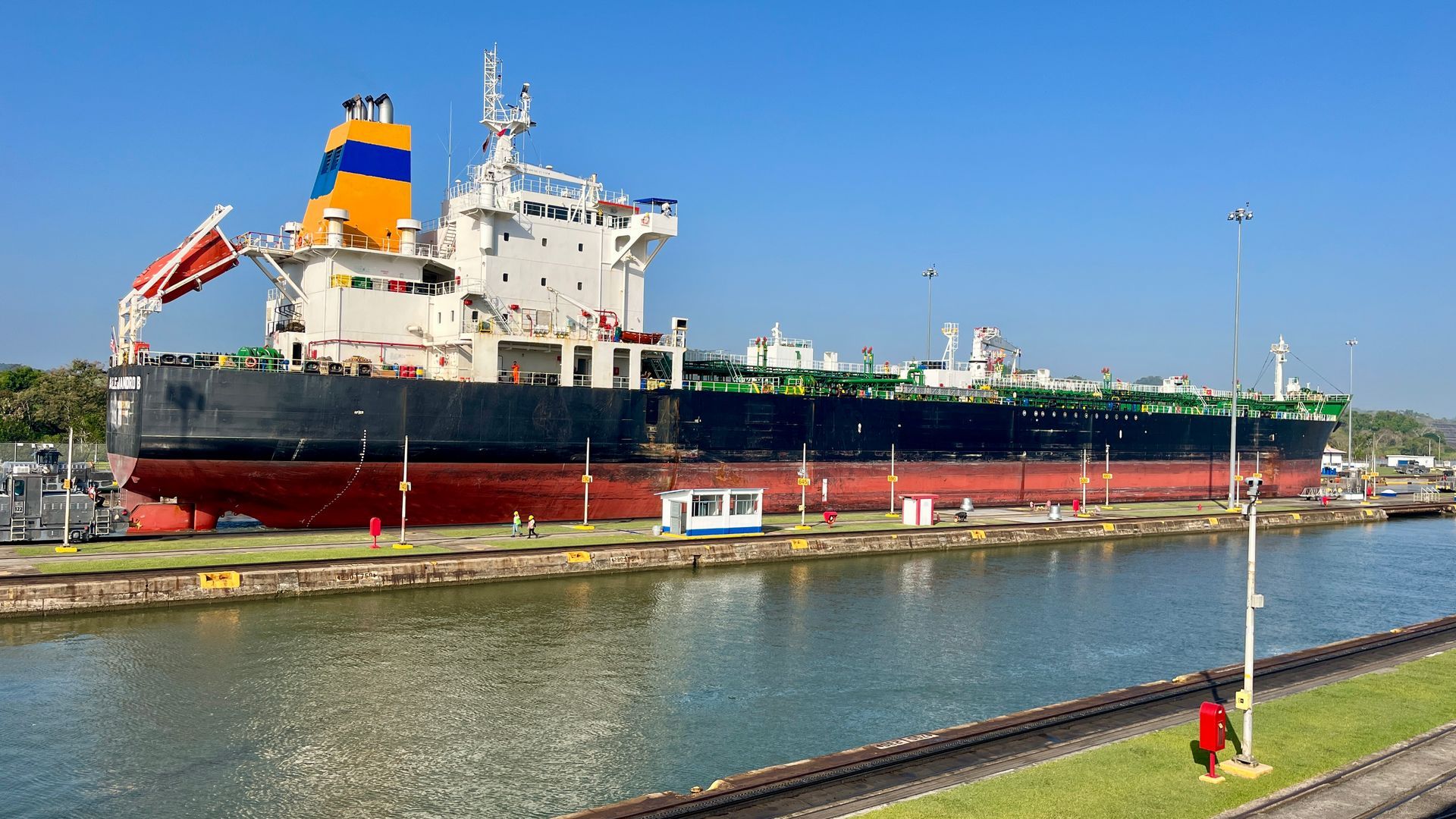
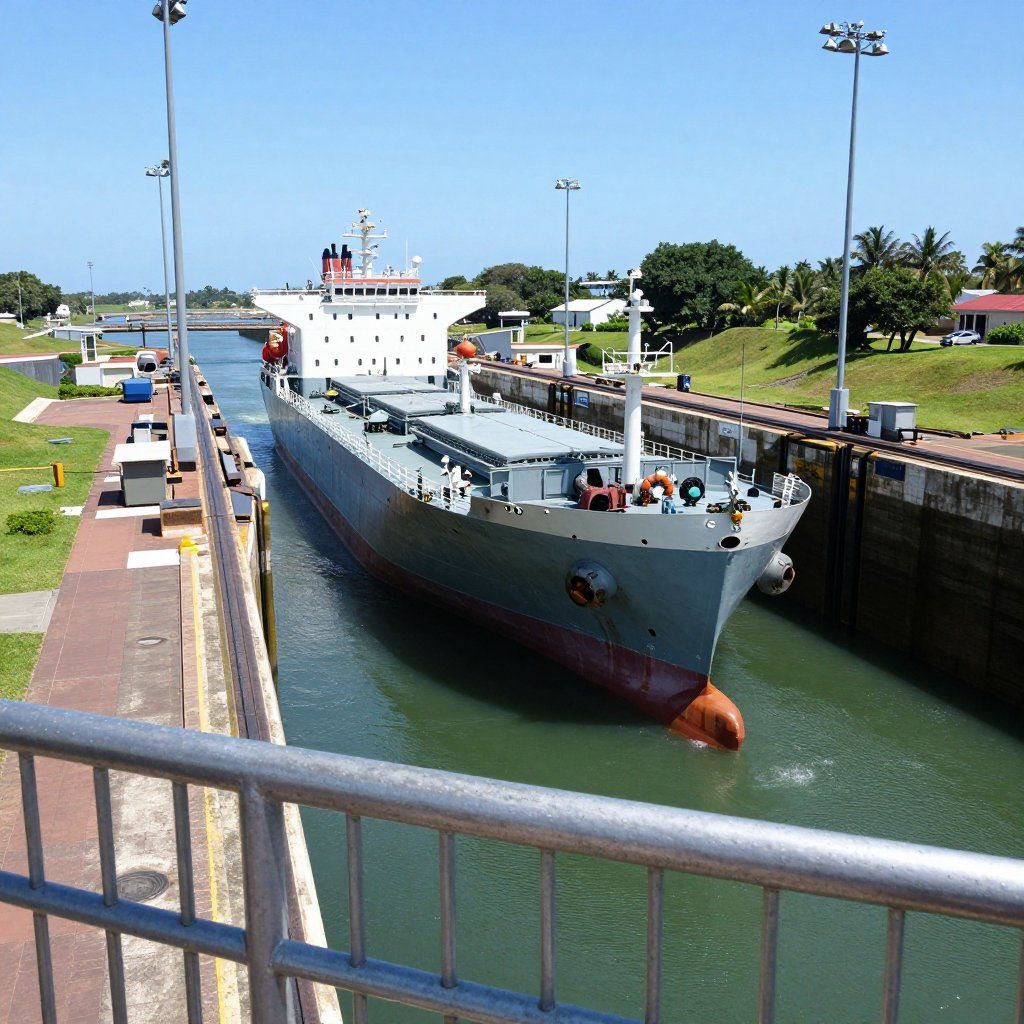
On the observation terraces, you still see giant container ships, bulk carriers, car carriers, and sometimes cruise ships passing through the historic locks. You watch the water levels rise and fall, gates open and close, and tugs guide vessels through a channel that is narrow enough to make even experienced captains hold their breath. The experience is not theoretical—it is live, loud, and happening in front of you.
Inside, the IMAX theater and exhibits continue to explain the Canal’s history, engineering, and current expansion. The movie is a great way to understand how much water management the Canal requires every single day and why drought periods force strict, but temporary, adjustments.
Agua Clara and the “new” Canal experience
If we head to the Atlantic side, the Agua Clara Visitor Center offers a different perspective. This is where you see the newer locks that opened in 2016, designed for larger “Neopanamax” ships. From the observation decks here, you can appreciate the scale of these vessels and the updated lock system.
When I take guests to Agua Clara on a private tour, I explain how these newer locks use water-saving basins and more efficient gate designs to manage every transit. You still see ships moving, tugboats working, and lock chambers filling and emptying—it is the Canal in full operation, just with different technology than the historic Miraflores locks.
How water levels actually affect your visit
Does the water situation affect what you see as a visitor? Yes, but not in the way many people imagine. On some days, there may be fewer transits at a given time or slightly different time windows when ships are visible from the viewing platforms. That is why planning and timing matter more than ever.
When you book a VIP Canal excursion with BlackCar Panama VIP, I check the transit schedules and conditions ahead of time and recommend the best window for your visit. Sometimes this means suggesting a morning visit instead of an afternoon one, or combining the Canal with other nearby stops so we can adjust if transit activity is lighter at a particular hour.
For you as a guest, the difference is rarely “Canal or no Canal.” It is whether you visit with someone who understands how it is operating that week and can tailor your experience accordingly.
Headlines versus reality: what I see every week as a guide
As a local driver-guide, my opinion is not based on a single visit or a news clip. I am at the Canal with guests—sometimes several times a week—during different seasons, weather patterns, and operational changes. I have watched it on days when the schedule is packed and on days when traffic is carefully limited.
Here is what has remained constant: ships keep crossing, visitors keep filling the viewing platforms, and guests walk away amazed that human beings carved this route through the isthmus over 100 years ago and continue to manage it 24 hours a day. The careful water management and transit adjustments show how seriously the Panama Canal Authority takes long-term sustainability, not that the Canal is “finished.”
Why a VIP tour makes the Canal more meaningful
The Canal is not just a “thing to check off a list.” It is a complex living system of engineering, logistics, environment, and global trade. Without context, you might see a ship move and think, “That’s pretty big.” With context, you understand that each transit represents years of planning, millions of dollars in cargo, and a chain of decisions that reached all the way from Asia, Europe, or North America.
On a VIP tour, I guide you through that story in a personal way. I adapt my explanations for families, cruise passengers, engineers, or casual travelers. If you are curious about how rainfall patterns affect Gatún Lake, we talk about that. If you are more interested in the human stories of the workers who built the Canal, we focus there.
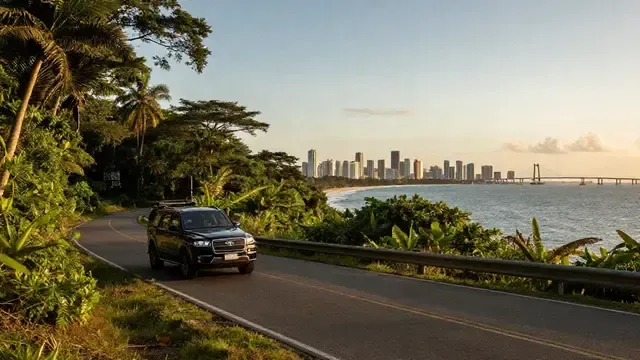
Because we travel in a private vehicle with flexible timing, we can also combine your Canal visit with other key sights—like the Amador Causeway, Panama City skyline viewpoints, or historic Casco Viejo—so you see how the Canal fits into the life of the country today.
Is it still worth visiting the Panama Canal in 2026?
From my perspective as a local VIP guide, the answer is a clear yes. Despite water management challenges and occasional schedule changes, the Canal remains fully worth your time and often becomes the highlight of a trip to Panama City.
If you visit with someone who understands the current operations, knows when to go, and can explain what you are seeing, you will not walk away thinking about a “dry canal.” You will leave with a deeper appreciation for how much effort goes into keeping this route open for the world and how closely Panama’s future remains tied to these locks and lakes.
If you are planning a Panama trip and want to see the real situation for yourself, I would be honored to host you on a private Panama Canal VIP excursion with BlackCar Panama VIP.